Fast Fashion Trends and Their Effect on Shein’s Customer Loyalty
The Transformation of Retail Through Fast Fashion
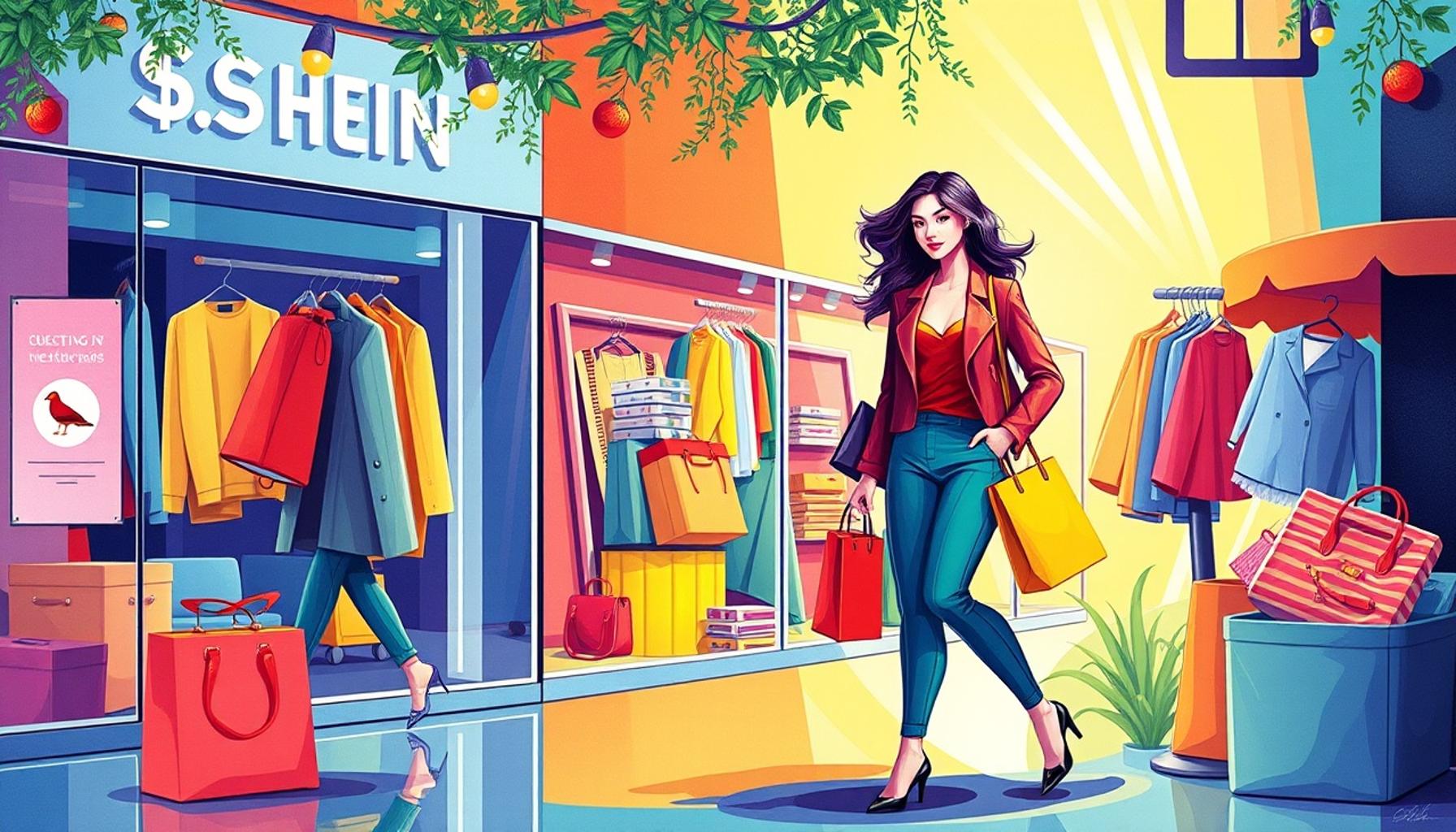
The rapid emergence of fast fashion has undeniably reshaped the retail landscape, introducing a multitude of affordable clothing options to fashion-savvy consumers. Brands like Shein serve as prime examples of this phenomenon, effectively producing trendy apparel at budget-friendly prices, thereby attracting style-conscious shoppers. However, this business model brings to light crucial discussions regarding customer loyalty and its long-term sustainability in the fashion industry.
Key Characteristics of Fast Fashion
Fast fashion is defined by several distinctive characteristics that have made it a dominant force in retail:
- Quick turnarounds: Retailers can launch new styles on a nearly weekly basis, which keeps consumers engaged and encourages frequent shopping. For instance, Shein frequently collaborates with social media influencers, launching collections that coincide with current trends, keeping their offerings fresh and appealing.
- Affordability: The pricing strategy of fast fashion brands is designed to be accessible to a wider audience. This enables individuals from various income brackets to participate in fashion trends without a significant financial burden. A dress that might cost $200 at a luxury retailer can be found for as little as $20 at Shein.
- Wide variety: Fast fashion brands provide a vast array of styles, catering to diverse tastes and allowing consumers to express their individuality. The abundance of choices can be overwhelming, but it ensures that there’s something for everyone, fostering a sense of inclusivity among shoppers.
The Challenges of Customer Loyalty
While Shein capitalizes on the advantages of fast fashion, it also encounters significant challenges related to customer loyalty:
- Quality concerns: The low price point often raises questions about the longevity and craftsmanship of the products. Many consumers have reported issues with the durability of garments, leading to dissatisfaction and concerns about the value for their money.
- Environmental impact: The fast fashion industry is frequently criticized for its environmental footprint, as the acceleration of clothing production leads to immense waste and pollution. Contemporary consumers, particularly younger generations, are increasingly motivated by sustainability, which can influence their purchasing decisions.
- Brand individuality: With numerous brands offering similar designs, it becomes challenging for shoppers to cultivate a unique connection with any one retailer. This homogeneity dilutes brand loyalty, as customers may opt for whatever is trendy and affordable at the moment rather than forming a lasting relationship with a specific brand.
Understanding Customer Dynamics
Grasping these dynamics is essential for analyzing how Shein manages to retain its customer base amidst the rapidly evolving fast fashion landscape. The unique blend of rapid style availability and affordable pricing attracts shoppers, yet the challenges of quality, environmental impact, and brand identity remain critical considerations for the company’s long-term sustainability.
In the following sections, this article will delve into the emerging trends that are shaping fast fashion and their implications for customer loyalty, particularly in the context of the Shein brand.
DISCOVER MORE: Click here for easy hacks and tips
Emerging Trends Influencing Fast Fashion and Shein’s Approach
As consumer habits shift in response to evolving societal values and technological advancements, several trends have emerged within the fast fashion sector that significantly impact Shein’s customer loyalty. Understanding these trends provides insight into the brand’s strategies for retaining customers while navigating an increasingly competitive landscape.
Social Media Influence
One of the most significant trends shaping fast fashion is the influence of social media. Platforms such as Instagram, TikTok, and Pinterest have become pivotal for fashion marketing, providing brands like Shein with a space to showcase their ever-expanding collections and connect directly with consumers. The role of influencers in this environment cannot be overstated; they create a sense of urgency and desirability around new products by showcasing items in relatable lifestyle contexts.
Shein leverages this influence through targeted collaborations and social media campaigns, often featuring limited-time offers that create a sense of exclusivity. This strategy resonates particularly with young consumers, who are often motivated to share their own fashion finds, thereby advertising the brand organically. The result is a cycle of engagement that not only attracts new customers but also strengthens brand loyalty among existing ones.
The Rise of Conscious Consumerism
Another critical trend in shaping customer expectations is the rise of conscious consumerism. As environmental concerns take center stage, many shoppers are beginning to prioritize sustainable practices and ethical production methods when making purchasing decisions. In the United States, younger generations, especially Millennials and Gen Z, are leading this charge. They tend to gravitate towards brands that demonstrate a commitment to ethical sourcing and sustainable practices.
Despite Shein’s low-cost appeal, there is mounting scrutiny regarding the brand’s environmental impact. While some customers are drawn in by flash sales and trendy items, others voice concerns over the brand’s contribution to textile waste and pollution. This juxtaposition creates a challenge for Shein: how can they maintain their budget-friendly model while appeasing the growing demand for sustainability? To address this, the brand has recently made efforts to promote eco-friendly collections and improve transparency regarding its supply chain, but the impact of these measures on customer loyalty remains to be seen.
Shifts in Shopping Behavior
The COVID-19 pandemic has undeniably altered shopping behaviors, reinforcing a shift toward online shopping. As consumers turned to e-commerce for their fashion needs, brands that established a robust online presence thrived. Shein, with its digital-first approach, quickly captured a significant market share by investing in user-friendly mobile apps and engaging online shopping experiences.
As customers grow accustomed to the convenience of browsing and buying clothing from the comfort of their homes, Shein faces both opportunity and risk. The company must continually innovate to enhance customer engagement, ensuring that shoppers remain loyal in an environment with countless online alternatives vying for their attention. By tapping into these consumer preferences and adapting to their needs, Shein seeks to create more than just one-time purchases; it aspires to foster lasting relationships with its audience.
In essence, while trends in social media influence, conscious consumerism, and shifting shopping behavior impact Shein’s approach, they also challenge the brand to redefine what customer loyalty means in this fast-changing landscape. The next sections will further explore how these trends affect Shein’s customer retention efforts and the strategies they employ to navigate these complexities.
DISCOVER MORE: Click here to find out how to score free clothes!
The Role of Consumer Engagement and Personalized Experiences
As Shein adapts to the changing dynamics of the fast fashion industry, another crucial trend influencing customer loyalty is the growing emphasis on consumer engagement and personalized shopping experiences. In a time where customers expect brands to understand their preferences and cater to their individual needs, Shein is employing various strategies to forge deeper connections with its audience.
Data-Driven Personalization
One effective way Shein fosters customer loyalty is through data-driven personalization. By utilizing advanced analytics, Shein can track customer behavior on its website and mobile app, allowing the brand to offer tailored recommendations based on users’ previous purchases and browsing history. For instance, if a customer frequently purchases oversized clothing or specific types of accessories, Shein can highlight similar items in their feeds, effectively guiding their shopping experience.
This approach not only simplifies the decision-making process for shoppers but also increases the likelihood of repeat purchases. Consumers appreciate when brands make an effort to understand their tastes; this recognition fosters a sense of belonging and loyalty. Moreover, by sending personalized emails and push notifications about exclusive discounts or reminders on items a customer viewed, Shein keeps its brand at the forefront of shoppers’ minds—reinforcing the customer-brand relationship.
Incorporating User-Generated Content
The integration of user-generated content (UGC) is another strategy employed by Shein to boost engagement. By encouraging customers to share their outfits on social media using specific hashtags, the brand promotes a community atmosphere while simultaneously showcasing real customers in real-life scenarios. This approach not only builds trust among potential buyers but also gives existing customers a platform to express their style and creativity.
Through campaigns featuring UGC, Shein can tap into the collective experiences of its customer base. This strategy not only enhances brand visibility but also creates a sense of accountability—where customers become brand ambassadors simply by sharing their favorite looks. The emotional connections formed through these shared experiences cultivate brand loyalty, as shoppers feel more engaged and personally invested in the brand.
Gamification and Interactive Shopping Experiences
To further enhance customer engagement, Shein has adopted elements of gamification in its shopping experience. These may include features such as rewards programs, where consumers earn points for making purchases or participating in brand activities, like reviewing products or sharing on social media. Customers can redeem these points for discounts or exclusive items, making every interaction with the brand valuable and rewarding.
This tactic leverages the competitive spirit inherent in many shoppers, encouraging them to engage more deeply with the brand to reap benefits. Gamification is particularly appealing to younger demographics, who often seek more than just transactional relationships with brands—they desire interactive and enjoyable experiences. As Shein continues to innovate in this area, the potential for increased customer loyalty grows exponentially, as more shoppers become emotionally and financially invested in the brand.
In summary, the trends of consumer engagement through data-driven personalization, user-generated content, and gamified experiences are critical elements that shape Shein’s approach to enhancing customer loyalty. These strategies reflect a larger industry shift toward a more interactive consumer relationship model, and they position Shein as a brand that prioritizes the unique needs and desires of its customers.
DON’T MISS: Click here to find out how
Conclusion
In the fast-paced world of fast fashion, brands like Shein are constantly evolving to meet the demands and expectations of their customers. As we have explored, the strategies implemented by Shein, such as data-driven personalization, user-generated content, and gamification, are crucial in fostering customer loyalty in today’s market. These tactics not only enhance the shopping experience but also strengthen the emotional connections between the brand and its consumers.
By understanding and leveraging shopping behaviors through data analytics, Shein can provide tailored experiences that resonate with individual preferences. This not only makes shopping more enjoyable but increases the likelihood of repeat purchases, creating a loyal customer base. Additionally, the inclusion of user-generated content and social engagement cultivates a sense of community where customers feel valued and heard, further solidifying their loyalty to the brand.
Moreover, the gamification of the shopping journey adds an element of fun and interaction, appealing particularly to younger demographics that seek deeper engagement with brands. As Shein continues to innovate and adapt to these fast fashion trends, it creates a unique consumer relationship model that prioritizes not just transactions, but meaningful engagement.
In conclusion, Shein’s ability to harness these trends is pivotal in securing customer loyalty. As the fast fashion industry evolves, brands that actively embrace consumer engagement strategies will likely thrive in an increasingly competitive landscape. By prioritizing the interests and desires of customers, Shein has positioned itself not just as a retailer, but as a brand that values its relationship with its consumers, ensuring strong loyalty for years to come.