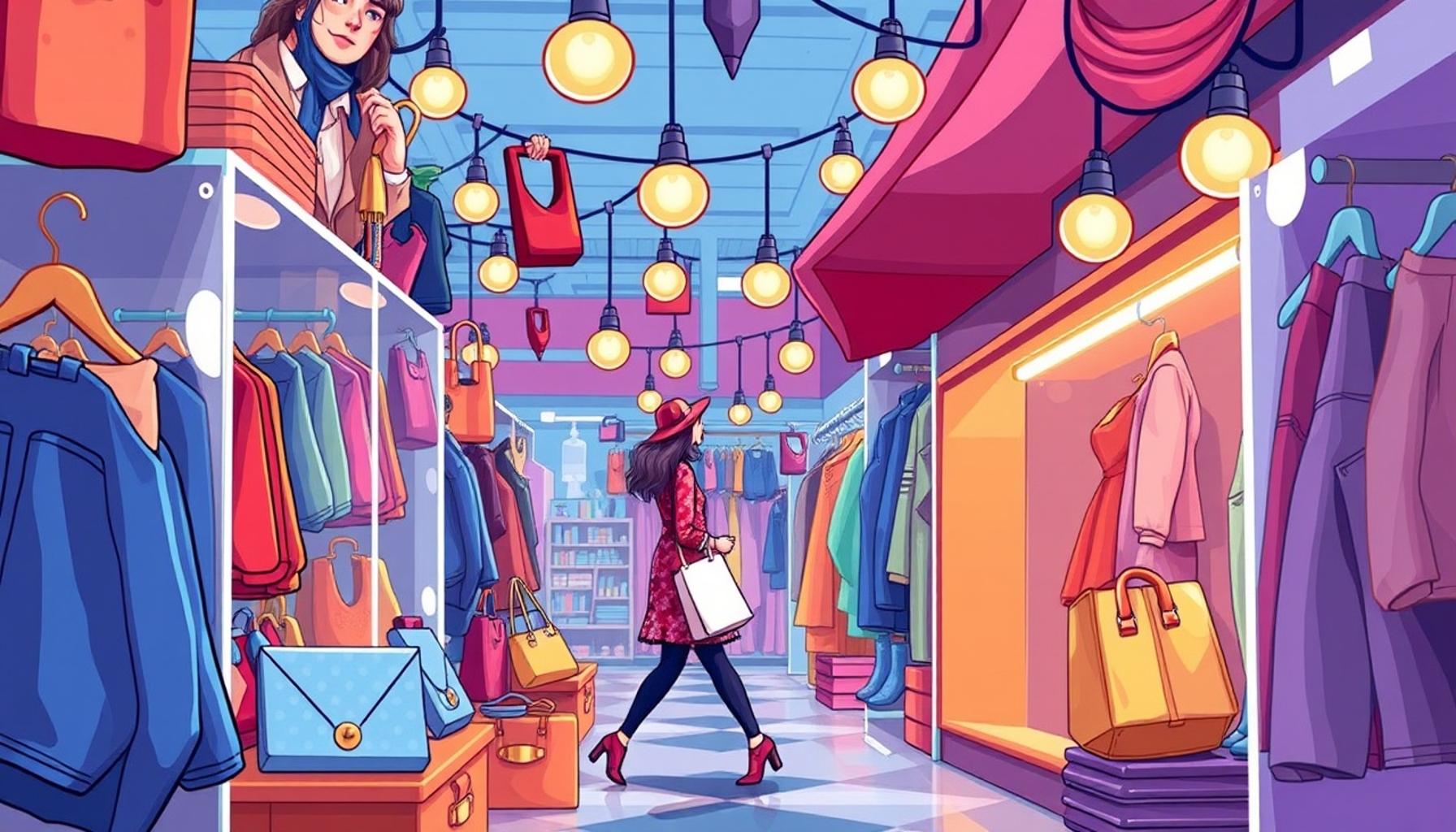
Sustainability and Ethics in Online Retail: Shein’s Challenge in a Conscious World
Understanding the Landscape of Online Retail
In today’s digital marketplace, consumers are increasingly prioritizing sustainability and ethics in their purchasing decisions. This shift is shaping how brands operate, with transparency and responsibility becoming paramount. As we navigate this evolving landscape, one name frequently comes up: Shein.
What Makes Shein a Controversial Player?
Shein, known for its fast fashion model, has garnered both a massive following and significant criticism. Some key points of contention include:
- Environmental Impact: The rapid production cycle contributes to waste and pollution. Shein’s business model emphasizes the quick turnover of styles, which can result in excess clothing that often ends up in landfills. According to a 2020 report by the UN, the fashion industry contributes nearly 10% of global carbon emissions. Consumers are becoming increasingly aware of these statistics, prompting them to reconsider their shopping habits.
- Labor Practices: Concerns have been raised about workers’ rights and working conditions in their supply chain. Investigations have revealed allegations of low wages, long hours, and unsafe working conditions in factories supplying Shein. The company has faced scrutiny for how these practices run counter to the expectations of a growing segment of consumers who value ethical labor standards.
- Consumer Behavior: The allure of cheap, trendy clothing often leads to impulsive purchases, fostering a cycle of overconsumption. Fast fashion encourages a mindset where consumers see clothes as disposable. This behavior not only contributes to environmental degradation but also undermines the value of quality and sustainable fashion options.
Why This Matters
The challenge Shein faces is not just about sales; it’s about redefining business practices in a world where consumers demand accountability. In recent years, surveys indicate that nearly 70% of consumers, particularly younger generations, are willing to pay more for sustainable products. This shift is prompting brands across the industry to reassess their practices in light of consumer expectations.
For Shein, addressing these issues is essential for long-term success. As consumers increasingly seek brands that align with their values and contribute positively to society and the planet, Shein must consider how to integrate ethical practices within its business model. Implementing measures such as transparency in the supply chain, adopting sustainable materials, and ensuring fair labor practices can help the brand gain trust and loyalty from its audience.
As we delve deeper, we will explore how Shein can tackle these challenges head-on and what it means for the future of online retail. Adapting to this new reality will not only benefit companies like Shein but also pave the way for a more conscious consumer culture that prioritizes sustainability and ethical practices.
DON’T MISS OUT: Click here to learn how to get free clothes from Shein!
Navigating the Ethical Dilemmas of Fast Fashion
To fully understand Shein’s challenge in a conscious world, it’s crucial to grasp the intricacies of the fast fashion model itself. This business approach, which allows brands to quickly produce and sell inexpensive clothing inspired by current trends, presents a unique set of ethical and sustainable dilemmas. While affordability and variety are attractive to consumers, the underlying issues raise significant questions about the long-term impact on society and the planet.
The Financial Temptation of Fast Fashion
Fast fashion companies like Shein thrive on a high-volume, low-cost strategy that often lures consumers into a cycle of buying more and utilizing less. This cycle is propelled by the constant influx of new products and limited-time sales, creating an artificial sense of urgency. Shoppers, especially younger ones, often find themselves caught in the trap of quick purchases without considering the consequences.
When consumers choose fast fashion, they prioritize affordability and instant gratification over sustainable choices. This behavior can manifest in several ways:
- Impulse Buying: The ease of purchasing items online, combined with frequent promotional campaigns, leads to impulsive buying decisions. This results in wardrobes overflowing with clothes that may only be worn a few times before being discarded.
- Lack of Longevity: Many garments produced by brands like Shein are designed to be worn for a season or two at best. The expectation of obsolescence encourages a throwaway attitude among consumers, which directly contributes to environmental degradation.
- Limited Awareness: Many shoppers, particularly younger ones, may not fully understand the environmental and ethical implications of their purchases. Fast fashion marketing often omits discussions about sustainability, focusing instead on trends and low prices.
Consumer Accountability and Education
As awareness about sustainability grows, so does the responsibility of consumers to make informed choices. The challenge for Shein and other fast fashion brands lies in addressing these consumer attitudes while aligning with the expectations of a more environmentally and socially conscious audience. While the allure of low prices may continue to attract buyers, it is essential for consumers to educate themselves about the implications of their shopping habits.
For example, investing in quality over quantity can not only help reduce waste but also support brands that prioritize ethical practices. By understanding the environmental costs associated with fast fashion—such as resource depletion and pollution—consumers can make more mindful purchasing decisions that reflect their values.
Ultimately, the responsibility rests not on the consumers alone; brands like Shein also have a duty to make ethical practices clear and accessible. By committing to transparent sourcing processes, empowering workers in the supply chain, and minimizing their environmental footprints, Shein has the potential to transform its image and appeal to a broader base of conscientious consumers.
In the following sections, we’ll explore specific strategies that Shein—and the fast fashion industry at large—can adopt to meet the growing demand for sustainability and ethics in their operations.
DIVE DEEPER: Click here to discover more insights
Embedding Sustainability in Business Practices
For Shein, tackling sustainability isn’t just a trend; it’s essential for securing its future in a marketplace increasingly influenced by ethical consumerism. The brand must reevaluate its operational strategies and forge a path toward more sustainable practices that resonate with today’s conscientious shoppers.
Embracing Eco-Friendly Materials
One avenue to promote sustainability is the adoption of eco-friendly materials in production. These materials, such as organic cotton, recycled polyester, or Tencel, have a significantly lower environmental impact compared to conventional fibers. For example, using organic cotton reduces pesticide usage, and recycled materials help decrease waste in landfills. By incorporating these sustainable fabrics, Shein can attract environmentally conscious shoppers who prioritize sustainable choices in their buying behavior.
Implementing Sustainable Production Processes
Another critical aspect of enhancing sustainability is refining production processes. Fast fashion’s reputation is often marred by the excessive waste generated during manufacturing. Shein could implement waste-reduction practices, such as lean manufacturing techniques, which optimize resource use and minimize leftover materials. For instance, employing digital pattern-making can streamline production and reduce fabric waste significantly. Such efforts not only foster sustainable practices but also contribute to overall cost reduction, benefitting both the company and its consumers.
Transparency and Fair Labor Practices
To build trust with consumers, Shein should strive for greater transparency in its supply chain. It can fulfill this commitment by publicly sharing information about where and how its products are made, as well as the treatment of the workers involved in production. Ethical labor practices are a significant concern for many shoppers today. For example, implementing fair wages, safe working conditions, and providing opportunities for skill development can not only boost worker morale but also elevate the brand’s image. Brands like Everlane have set a precedent in this area by openly discussing their pricing structures and cost breakdowns to foster customer trust. By following similar practices, Shein could cultivate a positive reputation among socially aware consumers.
Encouraging Conscious Consumerism
Besides modifying its practices, Shein has the opportunity to lead by example in promoting awareness around sustainable fashion. This could involve educational campaigns aimed at informing customers about the consequences of fast fashion, as well as the benefits of conscious consumerism. Collaborating with influential figures or organizations in the sustainability space could amplify this message. For instance, partnerships with environmental nonprofits could demonstrate Shein’s commitment to social responsibility while empowering consumers to make better choices.
Exploring Second-Hand and Recycling Programs
Lastly, Shein can also explore concepts like second-hand fashion and recycling programs, tapping into the growing market of thrift culture. Initiatives such as buy-back programs, where consumers can return old clothes for discounts on future purchases, not only promote recycling but also help reduce waste. This approach encourages customers to reflect on their consumption habits and fosters a circular economy where products are reused rather than discarded.
As the landscape of online retail continues to evolve, Shein’s commitment to ethical practices and sustainability will be a pivotal factor in its ability to thrive in an increasingly conscious world. Adaptations to their processes, materials, and company ethos are not just beneficial; they are becoming essential in a marketplace clamoring for change.
DISCOVER MORE: Click here to learn how gamification is revolutionizing customer engagement
Conclusion
In an era where consumers are more aware of the impacts of their purchasing decisions, sustainability and ethics have become crucial considerations in online retail. For Shein, meeting the challenge of evolving into a more sustainable brand is not only necessary for regulatory compliance and public relations; it is a vital step to garner consumer loyalty in a conscious marketplace. Adopting eco-friendly materials, refining production processes, ensuring transparency, and promoting conscious consumerism are essential moves that can significantly improve Shein’s brand image.
Moreover, initiatives such as second-hand fashion programs not only engage customers but also weave Shein into the fabric of a growing trend towards sustainability. By prioritizing ethical practices and taking tangible steps to reduce environmental impact, Shein can differentiate itself from competitors and appeal to a broader audience of responsible consumers. This shift requires a commitment to being not just a fashion retailer, but a leader in the sustainable fashion movement.
As companies like Shein consider their future in a world increasingly motivated by ethical considerations, the path they choose to take will ultimately determine their success. The challenge lies not only in revitalizing business practices but also in fostering a culture of responsibility that resonates with consumers. By stepping up as a catalyst for change in the industry, Shein has the potential to reshape perceptions and lead the charge towards a more sustainable retail landscape.

Linda Carter
Linda Carter is a writer and fashion enthusiast specializing in Shein trends, online shopping tips, and style recommendations. With extensive experience helping readers discover affordable fashion, make smart shopping choices, and stay up to date with the latest collections, Linda shares her knowledge on our platform. Her goal is to empower readers with practical advice and useful strategies to make the most of their Shein shopping experience.