
The Fast Fashion Revolution: How Shein Is Transforming the Digital Fashion Sector
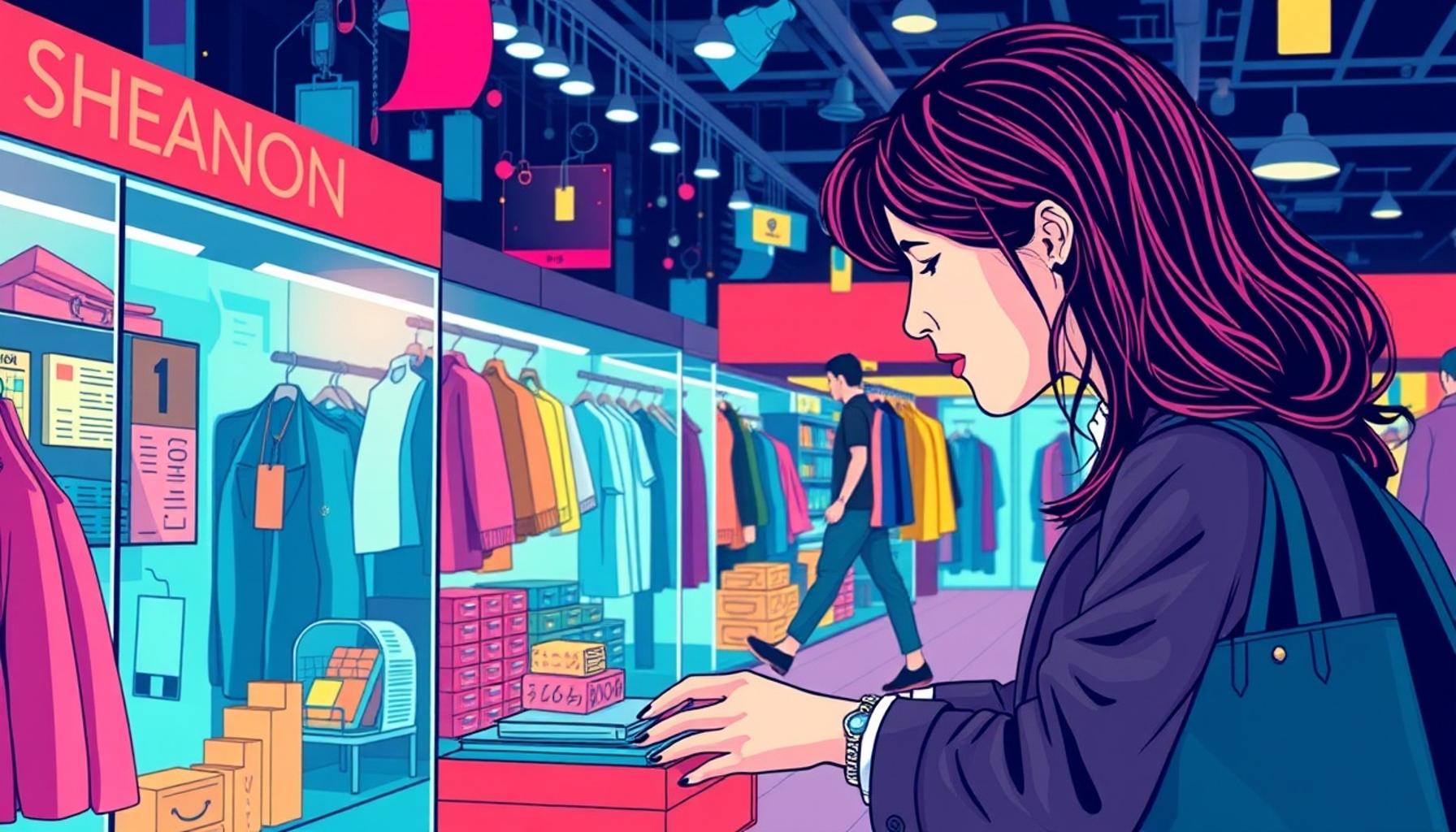
Transformation of the Fashion Industry
The fashion industry has experienced a seismic shift in recent years, primarily driven by the rise of fast fashion brands that radically alter consumer shopping habits and the retail landscape. Among these, Shein, a Chinese online retailer, has surged in popularity, particularly in markets such as the United States. Understanding Shein’s business model provides insights into how digital transformation is reshaping consumer choices and expectations in fashion.
Key Features of Shein
Affordable Pricing: One of the most significant factors contributing to Shein’s success is its commitment to affordable pricing. Their clothing often comes at prices that are notably lower than many traditional retailers. For instance, a trendy dress that may cost $50 at a department store can be found on Shein for as little as $15. This price point is especially attractive to younger consumers, such as Gen Z and Millennials, who are budget-conscious yet desire fashionable attire.
Rapid Production: The fast fashion model relies heavily on rapid production and turnaround times. Shein is particularly adept at this, boasting a design-to-delivery timeline that can be as short as just a few weeks. By utilizing data analytics to track current trends and consumer preferences, Shein ensures its inventory is always fresh and aligned with what shoppers want. For example, if a certain style is trending on social media, Shein can design, manufacture, and make it available to customers almost instantaneously.
Diverse Range: Another hallmark of Shein’s model is its vast selection. The brand caters to diverse fashion preferences, offering everything from casual wear to sophisticated evening gowns. Shoppers can find outfits appropriate for various occasions—whether it’s a day at the office or a night out. This extensive range allows consumers to discover styles that resonate with their individual tastes, encouraging more frequent shopping.
Strong Digital Presence: Beyond product variety and prices, Shein’s ability to engage consumers through social media and digital platforms is noteworthy. They employ advanced algorithms to tailor marketing strategies that resonate with their target demographic. For instance, Shein leverages social media platforms like Instagram and TikTok to create viral trends, often engaging influencers to showcase their latest collections. This strategy not only drives online sales but also establishes a community of fashion-forward individuals eager to share their own Shein finds.
The Impact on Consumer Behavior
This innovative approach has fundamentally changed the way consumers shop and perceive fashion. Today, trends evolve rapidly, and Shein captures the essence of immediacy and accessibility in fashion. Consumers are now accustomed to fast-paced retail environments where they can regularly refresh their wardrobes without breaking the bank. This has led to a broader democratization of fashion, allowing a wider audience to explore and express personal styles, enriching the fashion landscape in the process.
In summary, Shein’s unique blend of affordability, speed, diversity, and a strong digital presence positions it as a leader in the fast fashion industry, illustrating how a company can adapt to and thrive within the modern retail environment. Understanding these changes equips consumers with the knowledge to navigate today’s complex fashion market effectively.
DISCOVER MORE: Click here to learn about innovative retail features
Driving Forces Behind Shein’s Success
To fully grasp how Shein is transforming the digital fashion sector, it is essential to delve into the driving forces behind its rapid ascendance. Understanding these components not only highlights Shein’s unique approach but also sheds light on broader shifts within the industry.
Innovation in Supply Chain Management
One of the pivotal factors leading to Shein’s success is its innovation in supply chain management. Unlike traditional retailers that often rely on seasonal collections and lengthy production timelines, Shein adopts a more agile approach. The company utilizes a “test and repeat” model, where it releases smaller batches of new styles, based on real-time data and customer feedback. This method ensures that Shein can quickly respond to emerging trends and consumer preferences.
- Data-Driven Decision Making: Shein’s extensive use of analytics allows it to detect patterns in customer behavior. By analyzing purchase histories and browsing data, Shein identifies which styles are popular and can quickly adjust its inventory and production accordingly. This data-driven approach minimizes risks associated with overproduction.
- Local Production: To further enhance speed and efficiency, Shein has developed a network of factories in close proximity to its distribution centers. This localization means shorter shipping times and lower costs, enabling the brand to offer competitive pricing while still maintaining quality.
Customer-Centric Experience
Another significant aspect of Shein’s success is its customer-centric experience. The brand places a strong emphasis on engaging its customers through various digital platforms. This interaction goes beyond simple transactions; Shein builds a community around its brand through innovative marketing strategies. For example:
- User-Generated Content: Shein encourages customers to share photos of their outfits on social media, often rewarding them with discounts or features on Shein’s official channels. This strategy not only boosts customer loyalty but also serves as authentic marketing, showcasing real people in real-life settings wearing their styles.
- Personalized Shopping: Utilizing algorithms, Shein curates tailored shopping experiences based on individual preferences. This means that when customers log into their accounts, they are presented with suggestions specifically suited to their tastes, making the shopping experience more inviting and efficient.
Embracing Sustainability Challenges
As part of a growing industry, Shein faces increasing scrutiny regarding its environmental and ethical practices. While affordable pricing and rapid production have been cornerstones of its business, there is an emerging demand for sustainable practices in the fashion world. Many consumers are becoming more conscious of the impact fast fashion has on the environment, prompting Shein to consider integrating sustainability into its operations.
In response, Shein has started initiatives aimed at reducing waste and promoting eco-friendly practices, such as exploring recyclable packaging and more responsible sourcing of materials. While critics voice concerns about the sustainability of fast fashion in general, Shein’s willingness to adapt could play a significant role in setting new standards within the industry.
In conclusion, Shein’s innovative supply chain management, focus on customer engagement, and emerging commitment to sustainability are foundational elements that underscore its transformation of the digital fashion sector. These features not only distinguish Shein from traditional retailers but also illustrate the evolving landscape of consumer expectations in contemporary fashion retail.
DIVE DEEPER: Click here to learn more
Marketing Strategies That Captivate
A key contributor to Shein’s remarkable growth in the fast fashion landscape is its innovative and often disruptive marketing strategies. By harnessing the power of social media and influencers, Shein has successfully positioned itself as a go-to brand for modern consumers, particularly Gen Z and millennials.
Influencer Partnerships
Shein has gained a substantial following through strategic partnerships with social media influencers. These influencers play a vital role in shaping trends by showcasing Shein’s styles to their fans. For instance, micro-influencers—individuals with smaller but highly engaged audiences—are frequently used to tap into niche markets. This approach allows Shein to create authentic connections with consumers, as followers often trust the recommendations of these relatable figures.
- Diverse Representation: Shein collaborates with influencers from various backgrounds, ensuring that its marketing resonates with a broad audience. This tactic not only increases the brand’s reach but also reflects a commitment to diversity, which is vital for today’s consumers.
- Seasonal Campaigns: By launching seasonal marketing campaigns that align with current trends, Shein maintains relevancy in a fast-paced digital landscape. These campaigns include styled lookbooks, themed giveaways, and limited-time promotions that drive urgency and excitement among shoppers.
Engagement Through Digital Platforms
Shein leverages various digital platforms to engage with its audience effectively. The brand’s app, for example, is central to its strategy, enabling seamless shopping experiences. The app features personalized recommendations, exclusive discounts, and a loyalty program that incentivizes frequent purchases.
- Gamification: Shein often incorporates gamified elements into its marketing. Users can earn points through activities like reviewing products or participating in social media challenges, which can be redeemed for discounts. This tactic not only boosts customer interaction but also fosters brand loyalty.
- Interactive Content: Shein excels in creating engaging content, such as quizzes and polls, which help the brand understand consumer preferences while keeping the audience invested. This two-way interaction builds a sense of community around Shein’s brand.
Global Influence and Local Adaptation
As a global brand, Shein has strategically adapted its offerings to cater to local markets. By tailoring products, marketing messages, and promotions to resonate with different cultures and regional preferences, Shein has successfully penetrated various international markets. For example, the brand offers clothing lines that reflect seasonal styles or cultural festivities in specific countries.
- Localized Fashion Initiatives: Shein conducts market research to identify regional fashion trends, allowing it to incorporate local designs into its collections. This focus on localized fashion enables the brand to connect meaningfully with international consumers, fostering brand loyalty across different demographics.
- Language and Accessibility: By providing customer support in multiple languages and ensuring accessibility features across its platforms, Shein increases its appeal to diverse customer bases. This inclusivity further strengthens its foothold in the fast fashion market.
In sum, Shein’s innovative marketing strategies, influencer collaborations, and global localization efforts play a crucial role in its transformation of the digital fashion sector. These approaches not only enhance brand visibility but also create a dynamic shopping experience tailored to the needs and desires of contemporary consumers. As the fast fashion revolution continues, Shein stands out as a prime example of how to leverage modern technology and social interactions in the retail space.
DISCOVER MORE: Click here to learn about the fast fashion revolution
Conclusion
The rise of Shein within the fast fashion industry marks a significant shift in how brands engage with consumers in the digital age. By revolutionizing traditional marketing methods and employing social media influencers, Shein has established itself as a dominant player that resonates with younger generations seeking trendy, affordable clothing. Its strategic use of gamification and interactive content fosters a robust community among its users, promoting brand loyalty while enhancing the shopping experience.
Furthermore, Shein’s approach to global localization stands out as a key factor in its success. By tailoring products and marketing messages to align with local cultures and preferences, the brand effectively captivates diverse audiences, ensuring widespread appeal across different markets. This adaptability highlights the importance of understanding regional dynamics in a globalized economy.
As the fast fashion revolution progresses, Shein serves as a relevant case study demonstrating the power of technology and social connectivity in transforming the retail landscape. However, it is crucial for consumers and industry stakeholders to consider the implications of fast fashion, including sustainability and ethical production practices. As awareness grows, the challenge for Shein and similar brands will be to balance rapid growth with responsible practices that prioritize the well-being of people and our planet. Overall, Shein’s journey illustrates a new era in digital fashion, one that will likely shape the industry for years to come.