
The impact of fast fashion trends on the buying behavior of Shein customers
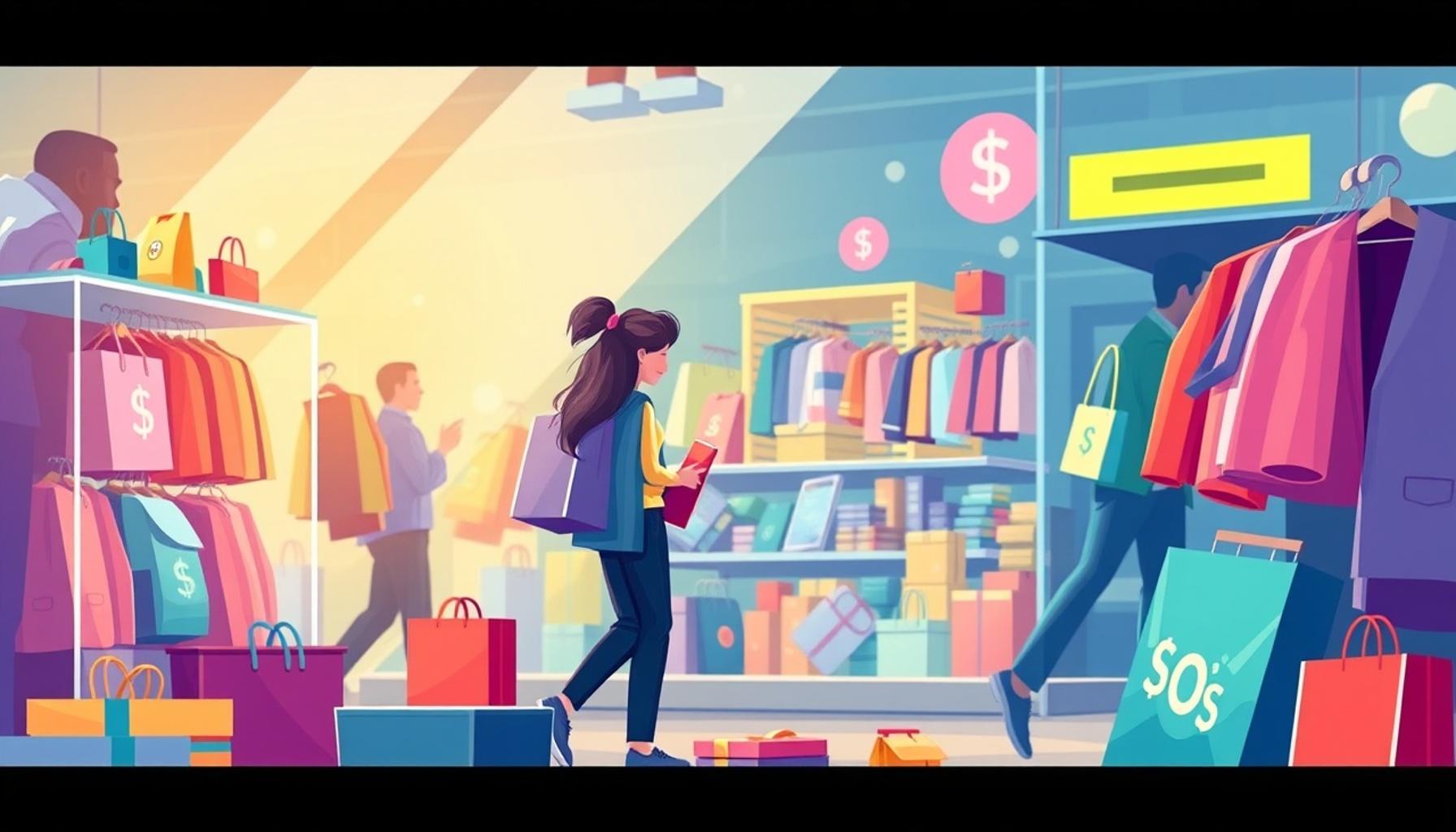
The Impact of Fast Fashion on Consumer Behavior
The rise of fast fashion has significantly changed the consumer landscape, providing access to trendy clothing at prices that are often too good to resist. Brands like Shein have become emblematic of this shift, leveraging ultra-fast production to bring runway-inspired designs to the masses in record time. This transformation in how consumers shop has not only influenced their buying habits but has also sparked discussions about sustainability and the long-term impacts of a consumption-driven culture.
Key Characteristics of Fast Fashion
Fast fashion encompasses several defining traits that collectively shape its appeal:
- Quick Production Cycles: The speed at which fashion items go from design to retail is staggering. For instance, while traditional retail brands may take several months to launch a new collection, fast-fashion brands can have new designs in-store within a matter of weeks. This rapid cycle satisfies a consumer desire for immediate gratification, as shoppers can find current trends almost instantaneously.
- Low Prices: The affordability of fast fashion is a major draw. Many brands utilize cost-effective materials and labor practices that allow them to offer trendy items at prices that often undercut more sustainable alternatives. For example, a trendy dress might retail for $20, making it accessible for young consumers, particularly students.
- Trendy Styles: Fast fashion brands excel at capturing the latest styles and bringing them to market quickly. By constantly updating their collections, companies maintain consumer interest and encourage regular shopping trips. For instance, Shein releases thousands of designs each season, closely monitoring social media trends to align their offerings with current consumer desires.
As a result of these characteristics, consumer behavior has shifted dramatically. No longer do shoppers exclusively seek out practical clothing; instead, many view shopping as an experience fueled by:
- Impulse Purchases: The excitement of snatching up a hot item before it sells out can lead to impulsive buying decisions. Many consumers find themselves purchasing items they may not need simply due to the thrill of the chase.
- Social Media Influence: Platforms like Instagram and TikTok play a pivotal role in enforcing trends, with influencers and everyday users showcasing outfits that spark desires for immediate purchase. A viral TikTok trend can propel certain styles to sell out almost overnight.
- Frequent Sales: Many fast fashion retailers deploy aggressive marketing strategies that include constant sales and discounts, prompting consumers to buy more often. A “flash sale” can create a sense of urgency, inducing shoppers to make quick decisions to capitalize on perceived savings.
Understanding these driving factors is crucial for analyzing the intricate impact of fast fashion on consumer habits. As trends wind their way through the marketplace, it becomes evident that while affordability and variety are appealing, they also raise concerns about sustainability. The relentless cycle of production and consumption inherent in fast fashion prompts questions about waste and ethical consumption that resonate within a growing segment of the consumer population.
DISCOVER MORE: Click here to enhance your shopping skills
Understanding Shein’s Consumer Dynamics
The purchasing behavior of Shein customers is heavily influenced by the unique aspects of the fast fashion model. To fully comprehend how these dynamics affect consumers, it’s essential to explore several key factors that contribute to Shein’s popularity and the resulting buying habits of its customers.
Psychological Triggers Behind Shein Purchases
Shein has expertly tapped into the psychological triggers that encourage spending, particularly among its target demographic of millennials and Gen Z shoppers. The following elements are crucial in understanding why customers are drawn to Shein and how this leads to specific buying behaviors:
- Fear of Missing Out (FOMO): Shein utilizes limited-time offers and rapidly rotating inventory to invoke a sense of scarcity. Consumers become anxious about potentially missing out on trendy pieces, prompting them to buy impulsively. For instance, if a popular dress is selling out quickly, a consumer may feel pressured to purchase it immediately rather than risk waiting and seeing it gone.
- Style Personalization: Shein offers a wide array of styles that cater to diverse fashion preferences. This vast selection allows customers to find unique pieces that fit their individual style, contributing to a feeling of personal expression through fashion choices. When consumers believe they are curating a distinctive wardrobe, they are more likely to make frequent purchases.
- Convenience of Shopping: The Shein shopping experience is designed to be seamless, with a user-friendly website and mobile app that make browsing and purchasing quick and easy. Along with a robust online presence, shein’s marketing strategies, including social media advertising, engage consumers where they spend considerable time, reinforcing their buying patterns.
These psychological triggers have led to shopping behaviors that often focus on quantity rather than quality. Many Shein customers are now accustomed to purchasing numerous items at once, sometimes because they believe trendy clothing should be replaced frequently rather than invested in. This shift poses significant implications for how consumers value their clothing and the lifecycle of those garments.
The Role of Digital Marketing
Shein’s marketing strategies are also pivotal in influencing consumer buying behavior. The brand effectively engages with their customers through a variety of channels:
- Influencer Collaborations: By partnering with popular social media influencers, Shein reaches a broad audience, showcasing their products in an appealing way. Influencers often share discount codes and promote specific items that exceed traditional advertising by fostering a sense of community around the Shein brand.
- User-Generated Content: Shein encourages its customers to share their purchases on platforms like Instagram and TikTok, creating authentic representations of how their clothes are styled. This approach not only builds brand loyalty but also inspires potential buyers by providing relatable visuals of everyday consumers enjoying their products.
- Engagement through Apps and Websites: The brand’s mobile application features a personalized shopping experience with notifications about new arrivals, sales, and recommendations based on past purchases. This constant engagement keeps shoppers returning to the platform and often leads to repeated purchases.
In combining these elements, Shein builds a shopping environment that not only attracts but retains customers, significantly influencing their buying behavior. As we delve deeper into these trends, the complexity of fast fashion’s impact on consumer choices will become even more apparent, prompting reflection on the broader implications of such purchasing habits.
DIVE DEEPER: Click here to learn more
The Environmental and Social Implications of Shein’s Fast Fashion Model
While understanding the purchasing behaviors of Shein customers is pivotal, it’s equally important to consider the broader consequences of fast fashion, especially concerning environmental sustainability and social responsibility. These factors, while often overlooked in the allure of low prices and trendy clothing, can significantly influence consumer attitudes and behaviors over time.
Environmental Impact of Fast Fashion
The rapid production cycle inherent in Shein’s business model raises substantial concerns over environmental sustainability. With clothes purposely designed to be inexpensive and disposable, customers often find themselves contributing to a cycle of excessive waste. Statistics indicate that the fashion industry is responsible for about 10% of global carbon emissions, a figure that is projected to rise as fast fashion brands continue to proliferate. Each Shein purchase contributes to this growing problem.
- Fast Turnover of Styles: Shein releases thousands of new items weekly, resulting in a high turnover of inventory. This not only encourages customers to buy more but also leads to unsold stock that eventually ends up in landfills. Many consumers are starting to realize that the convenience of updating their wardrobe comes at a high environmental cost, leading to a growing awareness and, in some cases, changing attitudes toward their buying habits.
- Resource Drain: The production of cheap clothing often requires significant resources, including water and energy. As consumers become aware of the strain placed on local water supplies and the energy-intensive processes behind garment manufacturing, some begin questioning their purchases. Brands that boast eco-friendly practices, even in small measures, are becoming more appealing to a segment of Shein’s customer base who seek sustainability.
Social Responsibility and Ethical Concerns
Shein’s pricing is achieved partly because of its labor practices, which raises ethical questions about the treatment of workers in the fast fashion industry. Reports have surfaced about subpar working conditions, low wages, and lack of labor rights in factories producing fast fashion items. As awareness of these conditions grows, consumers begin to critically evaluate where their clothes are coming from.
- Informed Consumerism: Today’s shoppers, especially among younger generations, are gradually shifting toward conscious consumerism. They demand transparency from brands regarding labor practices and the sourcing of materials. The desire for ethically sourced products may lead customers to reconsider their loyalty to Shein, even as they grapple with the temptation of low prices. Customers increasingly prefer to support brands that align with their values, which could be a significant hurdle for Shein in retaining its customer base.
- The Rise of Alternative Shopping Behaviors: The growing emphasis on sustainability and ethics has facilitated the rise of second-hand shopping, rental services, and sustainable fashion brands. Consumers eager to embrace new perspectives on fashion are exploring these alternatives, leading to a potential shift away from brands like Shein. For example, platforms that promote sustainably made clothing or thrift shops are beginning to gain traction, drawing in those who once heavily patronized fast fashion outlets.
Understanding these environmental and social factors is crucial in evaluating how Shein’s fast fashion trends impact the buying behavior of its customers. As awareness on sustainability and ethical practices increases, it may influence consumers to reconsider their shopping habits, fostering a more intentional approach to fashion consumption in the future.
DON’T MISS OUT: Click here to discover more
Conclusion
In summary, the impact of fast fashion trends on the buying behavior of Shein customers reflects a complex interplay between consumer desires, market dynamics, and ethical considerations. Shein’s model of rapid production and frequent releases caters to the instant gratification sought by many shoppers. However, this convenience often comes at a significant environmental and social cost, raising critical questions about sustainability and labor practices.
As consumers become increasingly aware of these implications, there is a noticeable shift toward conscious consumerism. Many individuals are beginning to question the ethics behind their purchases, leading to a growing preference for brands that emphasize transparency and sustainability. This transition indicates that consumers are not merely passive recipients of fast fashion; instead, they are evolving to challenge the status quo, seeking alternatives that align with their values.
Moreover, the rise of second-hand shopping and ethical fashion brands signifies a potential tipping point in the market. Customers who previously embraced fast fashion may now explore options that offer both style and a reduced environmental footprint, indicating a broader shift in consumer behavior. As we move forward, Shein and similar brands must reckon with these changing attitudes and adapt to a market landscape increasingly defined by a pursuit of responsible fashion.
Ultimately, the ongoing dialogue surrounding fast fashion and its repercussions not only influences purchasing decisions but also shapes the future of the fashion industry as a whole. With greater awareness and advocacy for sustainability, consumers are paving the way for a more ethical and responsible approach to clothing consumption.

Linda Carter
Linda Carter is a writer and fashion enthusiast specializing in Shein trends, online shopping tips, and style recommendations. With extensive experience helping readers discover affordable fashion, make smart shopping choices, and stay up to date with the latest collections, Linda shares her knowledge on our platform. Her goal is to empower readers with practical advice and useful strategies to make the most of their Shein shopping experience.